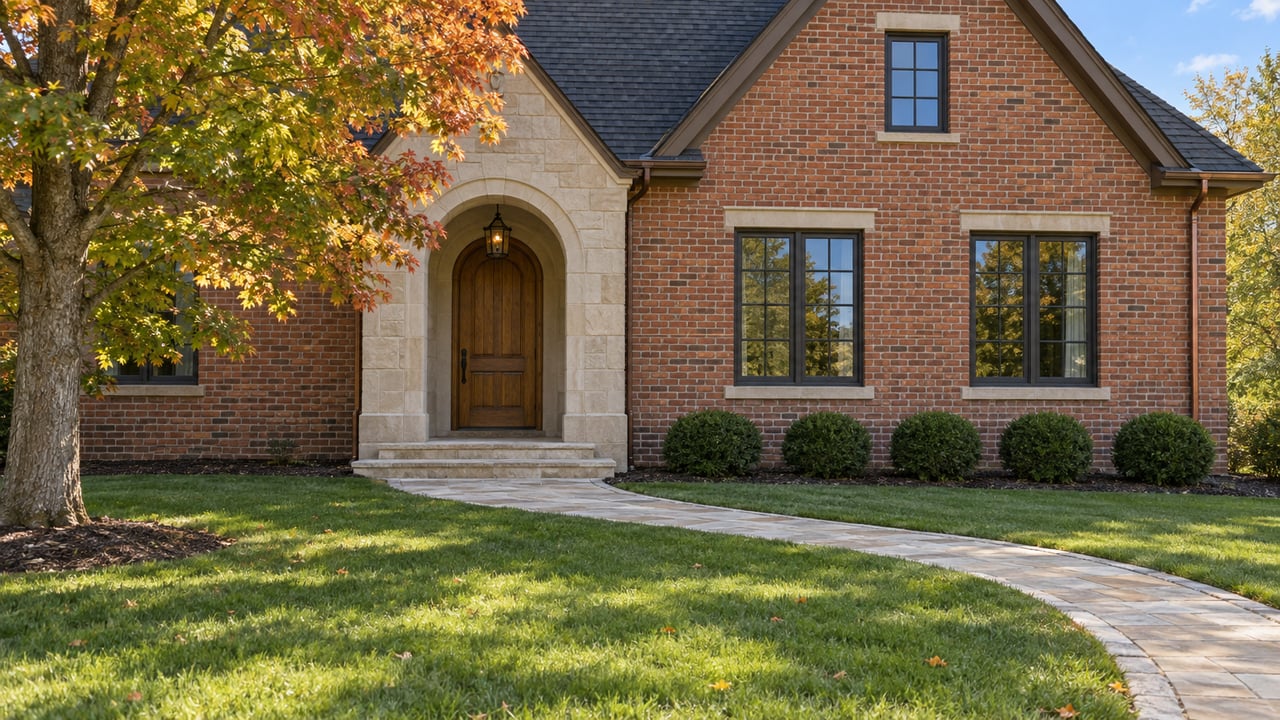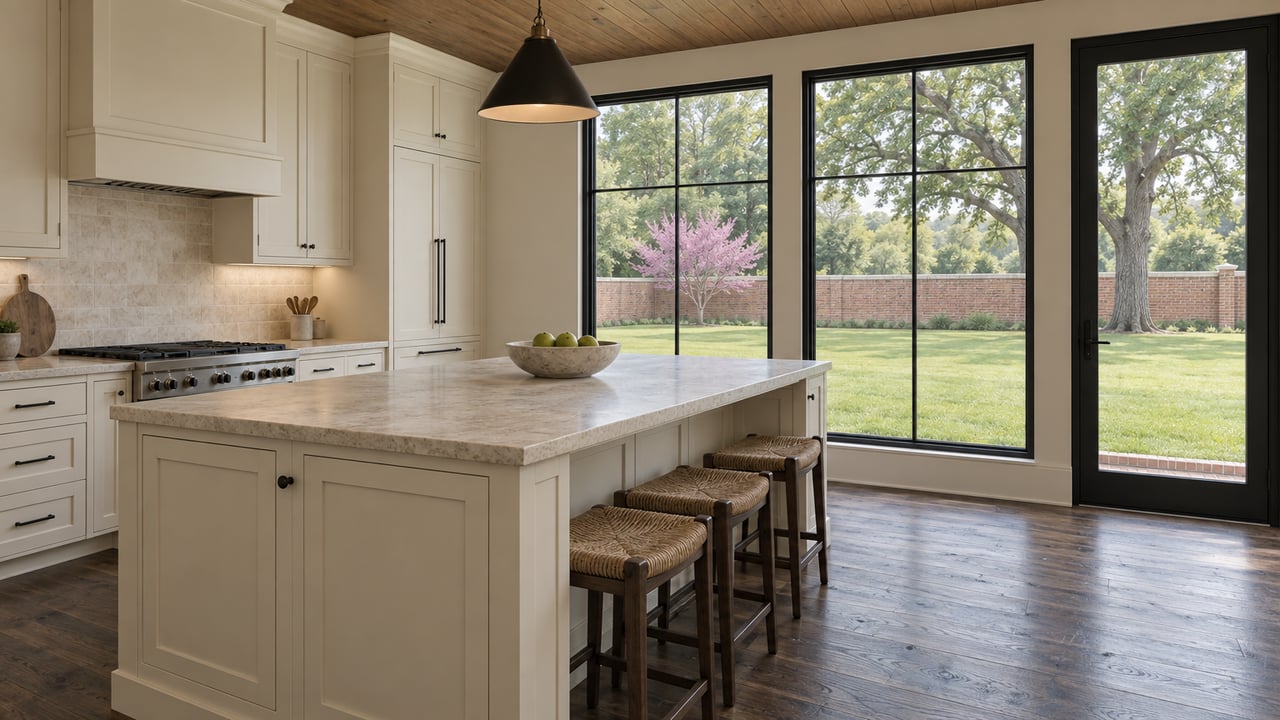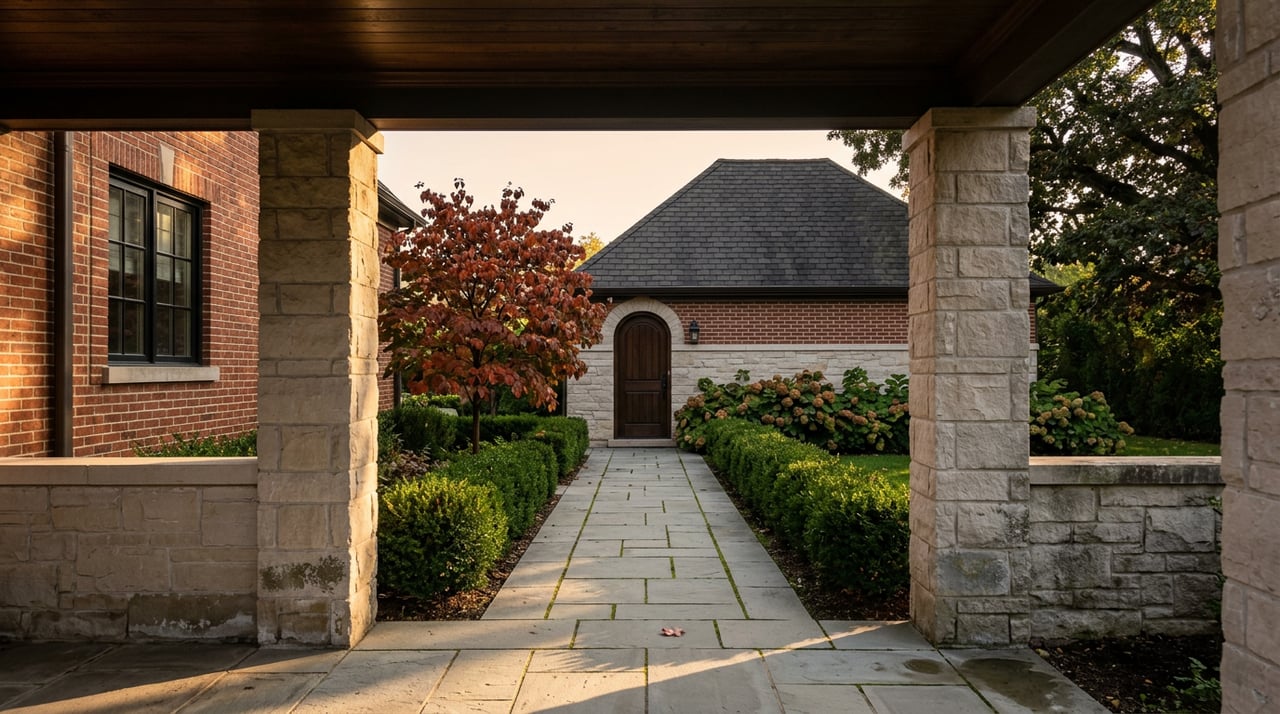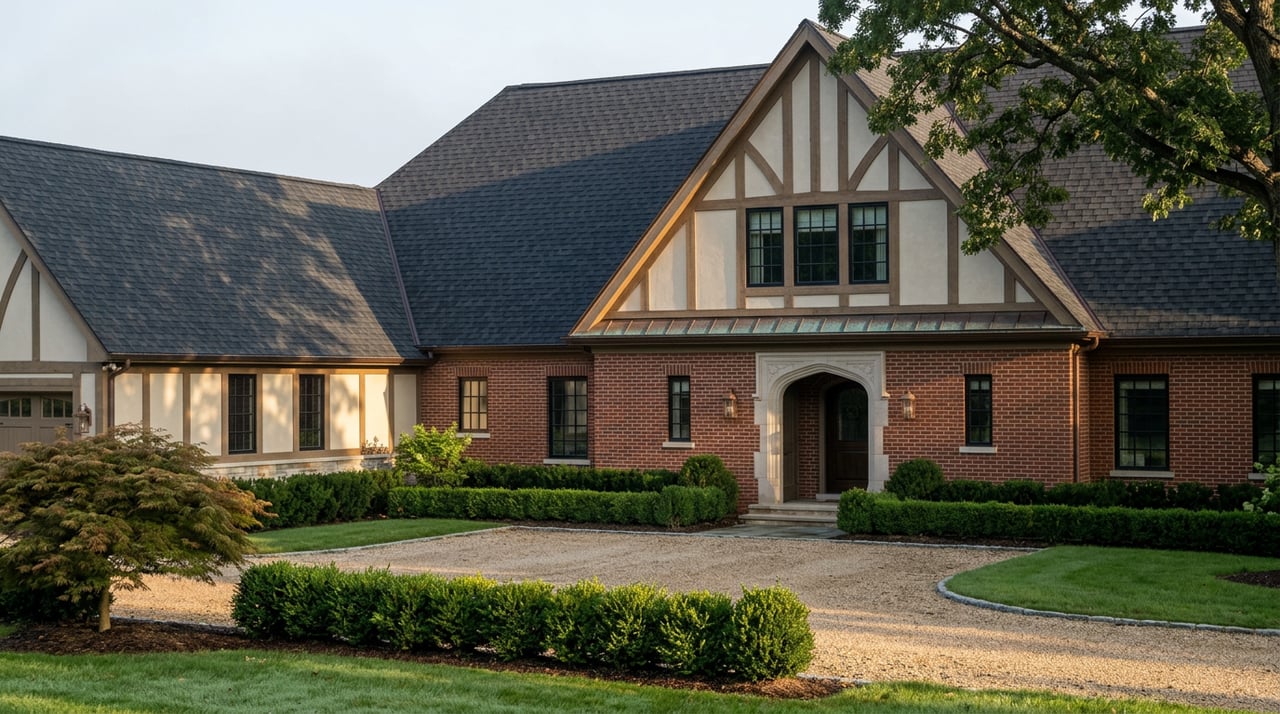
Two homes built a decade apart, both inside the 40026 ZIP code, both closed within weeks of each other this spring. One sold for $135 a square foot. The other sold for $237 a square foot. Same market, same season, same general stretch of Oldham County horse country. Neither number was a mistake.
That gap is the whole story for anyone getting ready to price a Goshen property. If you've pulled up an online estimate or asked a friend what their place down the road sold for, you've probably already run into the problem: Goshen doesn't have a comp set the way a subdivision does. It has a scattering of very different properties that happen to share a mailing address, and pricing one against another without accounting for what actually separates them is how sellers leave money on the table or sit unsold for months.
Six Solds, One Pattern
Look at what actually closed in Goshen between mid-2025 and mid-2026:
| Address | Year Built | Size | Sold Price / SF | Days on Market |
|---|---|---|---|---|
| 1011 Barbizon Dr | 2001 | 3,692 sq ft | $135 | 3 |
| 1508 Colonial Ct | 1990 | 2,400 sq ft | $237 | 1 |
| 2720 Shiloh Ln | 1995 | 3,952 sq ft | $155 | 45 |
| 13005 Lost Trail | 1978 | 3,002 sq ft | $171 | 3 |
| 2102 Goshen Ln | 1984 | 1,200 sq ft | $392 | 68 |
| 12310 Enclave Dr | 2023 | 7,882 sq ft | roughly $235 | not listed |
That's close to a threefold spread in price per square foot among homes that all sold within about a year of each other. The Barbizon Dr sale, which our own team closed this April at 2% under list in just three days, moved fast because the buyer already understood what they were getting: a larger, well-maintained early-2000s home on a typical Goshen lot. The Goshen Ln property, by contrast, sat 68 days and closed at $392 a square foot, driven up by its small footprint and the premium buyers will pay for the right combination of location and lot even on a modest house.
None of that shows up in a median. A median just tells you the midpoint of a pile of numbers that were never really comparable to begin with.
Why the Comp Set Breaks Down
In a typical suburban subdivision, price per square foot is a reasonably honest signal because the lots, the ages, and the finish levels cluster close together. Goshen doesn't cluster. It stacks 1970s ranch homes on quarter-acre lots next to newer construction on multi-acre tracts, and it mixes both with the kind of acreage that carries a barn, cross-fencing, or a well and septic system built for horses rather than a family of four.
An appraiser working a Goshen file has to widen the search radius past the ZIP code more often than in a typical Louisville suburb, because the true peer set for a five-acre property with equestrian infrastructure isn't the ranch house two streets over. It's a similar farmette somewhere else in Oldham County, or across the county line entirely. That widened search takes time and judgment, and it's exactly where a listing can get mispriced if the seller or the agent leans on a simple average instead of digging into what's actually comparable.
Layered Ownership, Not Just Layered Land
The complexity isn't limited to houses. It shows up in how Goshen's most recognizable properties change hands too.
In January 2026, Hermitage Farm's hospitality operations, including its well-known Barn8 restaurant, sold to Cara Osborne and Steve Brooks along with a group of investors, according to WDRB's coverage of the sale. Steve Wilson and Laura Lee Brown, who bought the roughly 700-acre farm from horse owner Carl Pollard back in 2010, kept ownership of the land itself. The restaurant changed hands. The farm didn't.
That's a useful reminder for anyone trying to price real estate here by analogy. Ownership in Goshen is often layered: land, farm operations, and the businesses built on top of them can trade separately, on separate timelines, under separate agreements. A house that looks simple from the road can carry the same kind of layering, whether it's a conservation easement, a lease-back arrangement on part of the acreage, or infrastructure that only makes sense to a buyer who actually wants to keep horses. A flat price-per-square-foot comparison misses all of it.
What This Means If You're Pricing to Sell
If you're getting ready to list acreage or an equestrian property in Goshen, a few things follow directly from the sales above.
First, expect your true buyer pool to be smaller and more specific than a typical suburban listing. The person who wants fencing, a barn, and enough pasture to matter isn't shopping the same list as the person who wants square footage in a newer subdivision closer to town. That's a reason to lean on marketing that reaches beyond the local MLS, which is part of why our team uses the Sotheby's global network for properties where the right buyer might not be searching Louisville listings at all.
Second, expect appraisal timelines to run longer on true acreage and equestrian properties than on a standard subdivision home, since the appraiser is doing more comp research, not less. Building that time into your listing expectations avoids surprises at the financing stage.
Third, don't assume more land automatically means a higher number. The data above shows the opposite is just as common. A smaller, well-located home at Goshen Ln outsold a much larger home at Barbizon Dr on a per-square-foot basis. Buyers are pricing in location, lot use, and condition together, not square footage alone.
The Tax Bill Nobody Prices In
One more number worth having in hand before you list: Oldham County's median effective property tax rate runs around 1.23%, which is above the national median, according to county tax data compiled by Ownwell. Assessment notices typically arrive by mid-May each year, and that assessed value, not your eventual sale price, is what a buyer's carrying costs will be based on until the next reassessment. Sellers who can hand a buyer a clear picture of what the tax bill actually looks like tend to smooth over one of the more common points of friction that shows up late in a transaction.
A Few Questions Worth Asking Before You List
Why would price per square foot vary this much within one ZIP code? Because Goshen's inventory mixes subdivision homes, older farmhouses, and true acreage with horse infrastructure. Those aren't the same product, even when they share a mailing address.
Does more acreage mean a higher sale price? Not necessarily. The recent sales show smaller, well-positioned homes outselling larger ones on a per-square-foot basis. Acreage adds value when it's usable and matches what the buyer pool actually wants, not simply because it's more land.
Should I expect a longer appraisal process on an equestrian property? Often, yes. Appraisers working true acreage or farm properties frequently widen their comp search beyond the immediate area, which takes more time than a standard subdivision appraisal.
Pricing a Goshen property well means treating it like what it is: a specific piece of land with a specific history, not a line item in a spreadsheet of neighborhood averages. If you're weighing when and how to list, The Schiller Team can walk through what your particular property's true comp set looks like and how far that marketing needs to reach. Request a complimentary home valuation and consultation to get a number built on your property, not someone else's median.