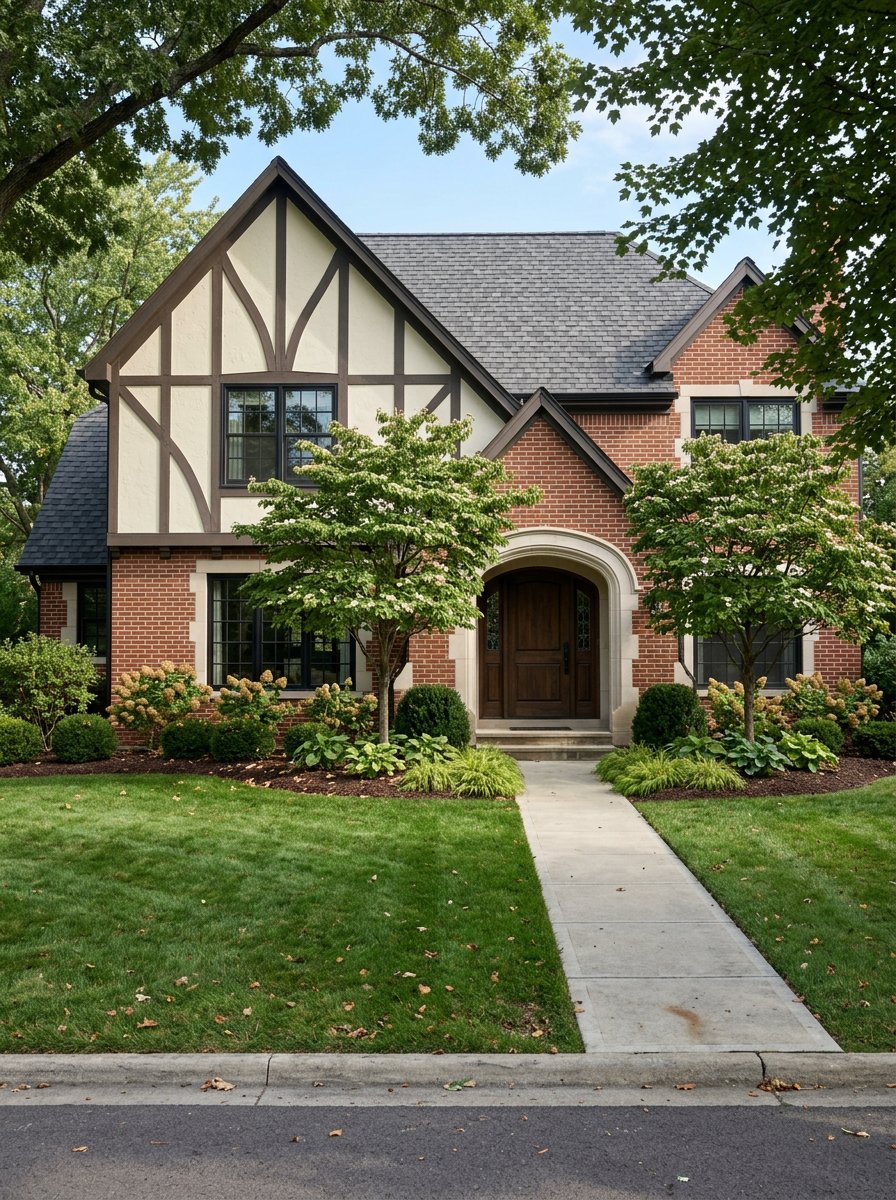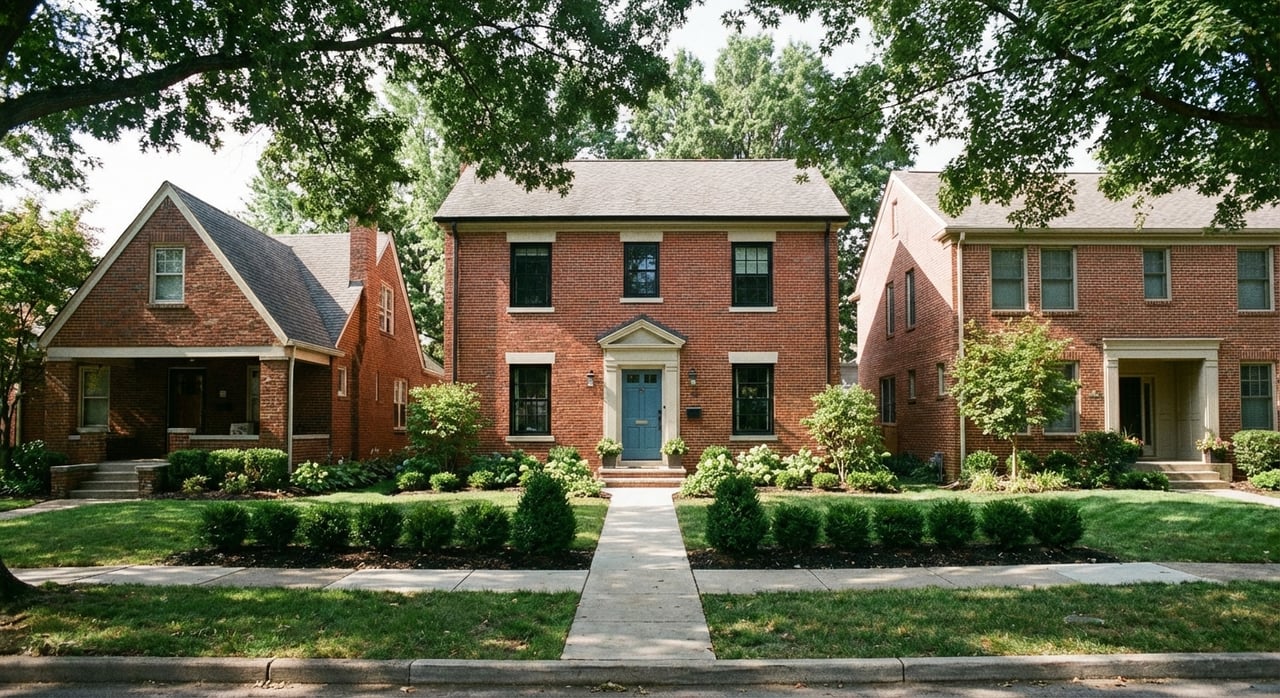
You have a lot of great choices in Saint Matthews, and each one lives a little differently. Maybe you love a front porch and tree‑lined streets, or you want extra bedrooms and a traditional two‑story layout. Understanding how the most common 40207 home styles are built, how they flow, and what they typically need in upkeep can help you buy with confidence. This guide breaks down the main styles you will see and the inspections to prioritize so you can match a home to your lifestyle. Let’s dive in.
Saint Matthews at a glance
Saint Matthews grew from a crossroads and farming community into a streetcar suburb with established shopping and residential pockets. That history explains why you see early 20th‑century bungalows and Revival‑style homes close to retail corridors like Shelbyville Road and Frankfort Avenue, along with access to shopping at Mall St. Matthews and Oxmoor. You can learn more in the city’s brief history overview from the City of St. Matthews.
The 40207 area is a mature, in‑demand part of east Louisville with an active resale market and a mix of single‑family homes, townhomes, and condos. Inventory changes with the season, but you will almost always find a variety of sizes, price points, and styles.
Bungalows and Craftsman bungalows
Bungalows are part of Saint Matthews’ early fabric, with many built in the 1910s through the 1930s. You will often see 1 to 1½ stories, a low‑pitched gabled roof, a broad front porch, and period details like built‑ins, hardwood floors, and a prominent living‑room fireplace. Many have finished space in a dormer or half‑story up top and a full or partial basement below.
What you might love
- Porch‑forward curb appeal and a cozy main‑level living feel.
- Original character balanced with selective updates over time.
- Walkable proximity to shops and dining in the older core.
What to watch
- Electrical systems in pre‑1950 homes can include older wiring types. Ask your inspector to note any visible knob‑and‑tube and plan an electrician’s review if needed. The American Society of Home Inspectors explains why many buyers modernize these systems.
- Basements are common. Check for past moisture, sump pumps, or mitigation steps before you finish or furnish a lower level.
- Pre‑1978 homes may contain lead‑based paint. Renovation work must follow EPA RRP lead‑safe practices.
Period cottages
Cottages in Saint Matthews often date from the 1920s to 1940s. They tend to be smaller, with steeper rooflines or cross‑gables, cottage‑scale rooms, and attic or dormer bedrooms. Many buyers find them ideal for a first home, for downsizing, or for a lower‑maintenance yard near everyday conveniences.
What you might love
- Efficient footprint and charming curb appeal.
- Manageable upkeep compared to larger homes.
- Good candidates for thoughtful cosmetic updates.
What to watch
- Opening walls to create a modern, open plan can be trickier in a smaller structure and may require an addition.
- Like bungalows, check for older plumbing, insulation levels, and window updates. For inspiration on right‑sizing and opening up spaces, see a cottage refresh example from This Old House.
Brick Colonials and Colonial Revival
Colonial Revival styles in Saint Matthews were commonly built from the 1920s through the 1950s. Expect two full stories, a central or side‑hall plan, formal living and dining rooms on the main level, multiple bedrooms upstairs, and a basement that may already be finished. Exterior brick is a hallmark and provides long‑term durability with periodic care.
What you might love
- Traditional, flexible layouts that fit many household types.
- Classic symmetry and lasting curb appeal.
- Solid structure with room count many buyers want.
What to watch
- Brick mortar joints age over time and may need tuckpointing. The National Park Service’s preservation brief on repointing explains how correct mortar and flashing protect historic masonry.
- Older chimneys, flashing, and roofs should be inspected and budgeted on a normal maintenance cycle.
- For style context, explore Colonial Revival features commonly seen in these homes.
Townhomes and condominiums
You will find attached townhome and condo communities from the 1970s and 1990s, plus newer infill. Many offer two or three levels of living, an attached or tuck‑under garage, and outdoor space scaled to low‑maintenance living. Exterior maintenance, landscaping, and snow removal are often handled by an association.
What you might love
- Lock‑and‑leave convenience close to shopping and transit.
- Predictable exterior upkeep managed by an HOA.
- Range of sizes, from right‑sized two‑bedroom units to larger multi‑level homes.
What to watch
- Review the HOA documents to confirm what the association covers, the health of reserves, and any upcoming projects or special assessments.
- Understand rules that affect your plans, including rental or pet policies if relevant to you.
Match your wish list to a style
- If you value character and walkability to shops and restaurants, look at bungalows and period cottages in the older core. Expect cozy rooms and plan for targeted system updates over time.
- If you want more indoor space and a conventional room layout, brick Colonials and other two‑story homes typically offer more bedrooms, formal rooms, and larger yards.
- If you prefer low exterior maintenance or a part‑time residence, townhomes and condos can fit the bill when the HOA is well managed and the rules suit your needs.
Inspections and maintenance to budget for
Every home is unique, but these checks are common and smart to include in your contingency period:
- Lead paint in pre‑1978 homes. Plan for lead‑safe work practices during renovations. Learn the basics from the EPA’s RRP program.
- Electrical systems in older homes. Homes built before about 1950 may include knob‑and‑tube or other obsolete wiring. Have your inspector flag issues and consider an electrician’s evaluation. See an overview from ASHI.
- Plumbing and sewer lines. Galvanized water pipes and cast‑iron drains can be near end of life. A sewer‑camera scope is a low‑cost diagnostic that often pays for itself. For budgeting context, review sewer line repair and replacement cost factors.
- Masonry, flashing, and chimneys on brick homes. Regular repointing is normal. Use qualified contractors who follow preservation best practices.
- Roofs, gutters, and storm wear. Our four‑season climate and freeze‑thaw cycles affect shingle lifespans. Check age, ventilation, and any storm claim history. The National Weather Service’s Louisville climate page helps explain local weather patterns.
- Basements, moisture, and radon. Test every home for radon. Kentucky homes often show elevated levels, and mitigation is typically effective. See statewide context from the American Lung Association.
- Energy and comfort. Older homes may lack modern insulation or air sealing. Attic air‑sealing, insulation, and efficient HVAC can improve comfort. Explore practical retrofit tips in this preservation‑friendly resource library.
Inspection set to request
- Full home inspection covering structure, roof, foundation, and visible systems.
- Licensed electrician review if the home predates 1950 or if your inspection flags electrical concerns.
- Sewer scope on older properties.
- Radon test and, if needed, a mitigation plan and quote.
- Chimney inspection for masonry structures.
- Termite and wood‑destroying insect inspection as appropriate.
How to shop smart in 40207
- Clarify your must‑haves. List your top five needs and top five nice‑to‑haves. Use them to evaluate how each style lives for you day to day.
- Look past finishes. Focus on structure, layout, and mechanicals. Paint and fixtures change easily. Floorplan and masonry need more planning and budget.
- Plan for the first 12 months. Budget for the maintenance items you are most likely to address after move‑in based on the style you choose.
- Keep resale in mind. In established neighborhoods, timeless updates that respect a home’s character tend to age well.
Ready to tour styles side by side and weigh tradeoffs with a local expert at your side? Reach out to The Schiller Team for tailored buyer guidance, neighborhood insight, and a clear plan from first showing to closing.
FAQs
What should 40207 first‑time buyers know about older homes?
- Focus on system health. Budget for an electrical review, sewer scope, radon test, and roof evaluation. Older Saint Matthews homes are solid, but planning for updates reduces surprises.
Are brick Colonials in Saint Matthews high maintenance?
- Brick is durable, but mortar joints and flashing need periodic care. Expect routine tuckpointing over time and include a chimney inspection in your contingency period.
Do I need a radon test for Saint Matthews homes with basements?
- Yes. Radon levels vary locally, and testing is recommended for every home. If elevated, mitigation is common and effective.
What HOA documents should I review for a Saint Matthews condo or townhome?
- Request the declaration and bylaws, rules and regulations, most recent budget, reserve study, insurance summary, and board meeting minutes to understand coverage, fees, and upcoming projects.
How do bungalows compare to cottages for everyday living?
- Bungalows usually have a larger main level and a signature front porch, while cottages often have smaller, steeper‑roofed footprints. Both offer charm; your decision comes down to space needs and yard maintenance preferences.